AI in Education 2026: How Artificial Intelligence Is Transforming Learning
Introduction
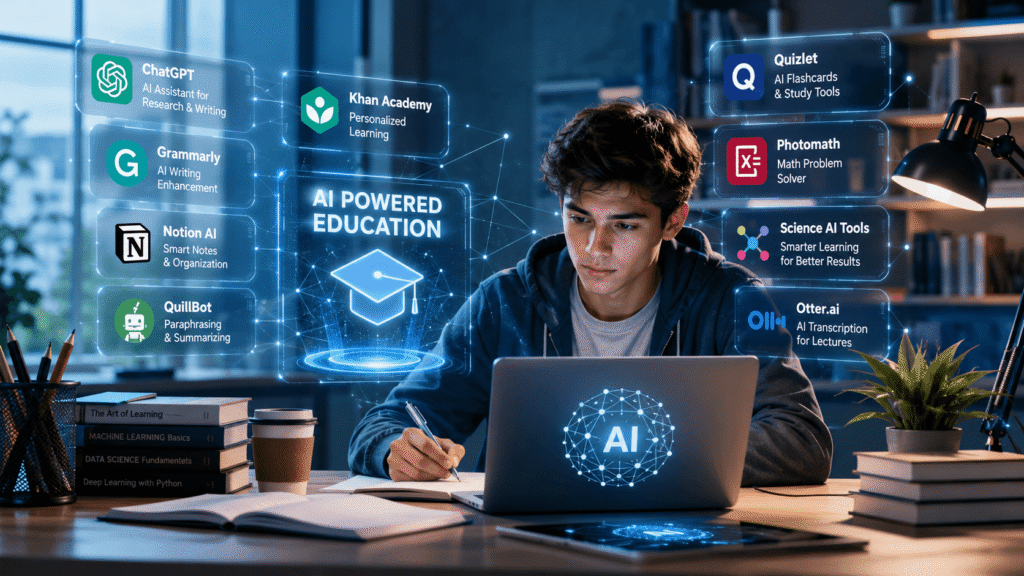
AI in Education 2026 refers to the growing use of artificial intelligence technologies to improve teaching, learning, assessment, and student engagement. As educational institutions across the USA, Canada, Europe, and the UK continue embracing digital transformation, AI is becoming a powerful tool for creating personalized learning experiences and improving academic outcomes.
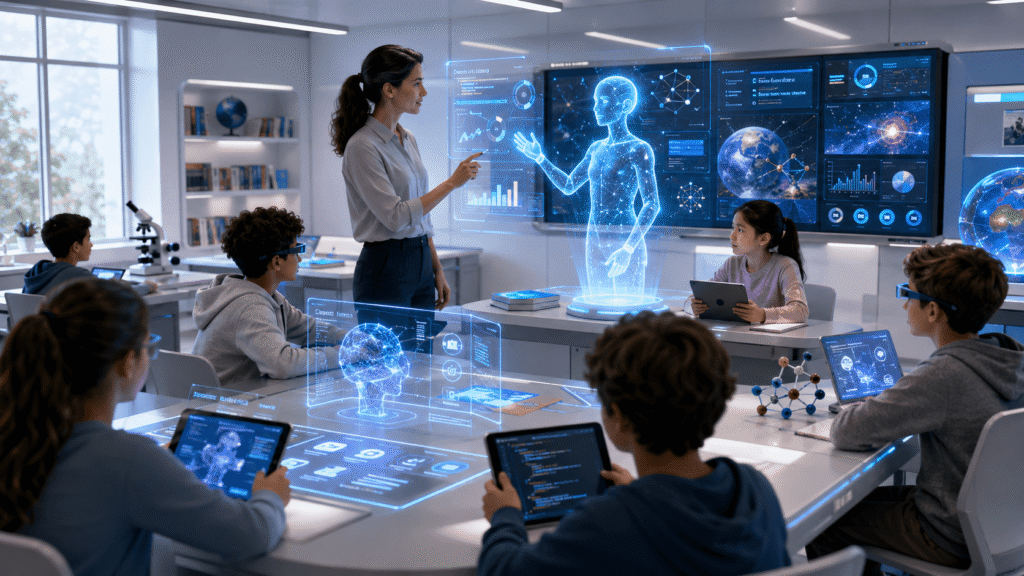
From intelligent tutoring systems to AI-powered learning platforms, artificial intelligence is changing how students learn and how educators teach. In 2026, AI is no longer a futuristic concept—it is an active part of modern education.
Whether you are a student, teacher, parent, educational leader, or business professional, understanding AI in Education 2026 is essential for preparing for the future of learning.
Table of Contents
- What Is AI in Education 2026?
- Why AI in Education Matters
- How Artificial Intelligence Is Transforming Learning
- Key Benefits of AI in Education
- Best Practices for Implementing AI in Education
- Common Mistakes to Avoid
- Practical AI in Education Checklist
- Frequently Asked Questions
- Conclusion
What Is AI in Education 2026?
AI in Education 2026 involves using machine learning, natural language processing, predictive analytics, and intelligent systems to enhance educational experiences.
Modern AI tools can:
- Analyze student performance
- Recommend personalized learning paths
- Automate grading
- Provide real-time feedback
- Improve accessibility
- Support educators with administrative tasks
Unlike traditional educational software, AI systems continuously learn and improve based on student interactions.
Examples of AI in Education 2026
Some common examples include:
- AI tutoring platforms
- Virtual learning assistants
- Automated assessment tools
- Adaptive learning software
- AI-powered content creation tools
- Language learning applications
These technologies are helping students learn more effectively while reducing workloads for educators.
Why AI in Education 2026 Matters
Education systems worldwide face several challenges:
- Large classroom sizes
- Diverse learning abilities
- Limited teacher resources
- Student engagement issues
- Administrative burdens
Artificial intelligence helps address these challenges by providing scalable and personalized solutions.
Meeting Individual Learning Needs
Every student learns differently. Some grasp concepts quickly, while others require additional support.
AI-powered systems can:
- Identify strengths and weaknesses
- Adjust learning difficulty levels
- Recommend targeted resources
- Track progress in real time
This creates a more effective and inclusive learning environment.
How Artificial Intelligence Is Transforming Learning
Artificial intelligence is reshaping education in several important ways.
Personalized Learning Experiences
Personalized learning is one of AI’s most valuable contributions.
AI systems analyze:
- Learning speed
- Performance patterns
- Knowledge gaps
- Preferred learning styles
Students receive customized lessons designed specifically for their needs.
Intelligent Tutoring Systems
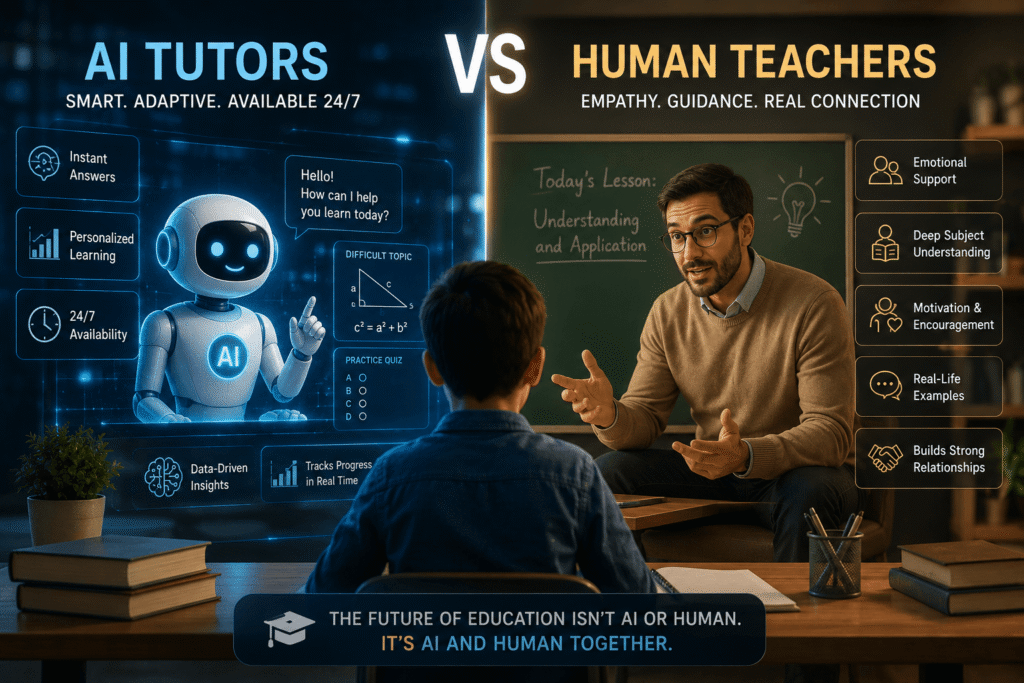
AI tutors provide instant support outside traditional classroom hours.
Benefits include:
- 24/7 assistance
- Immediate feedback
- Personalized explanations
- Continuous learning opportunities
Students can receive help whenever they need it.
Automated Grading and Assessment
Teachers spend significant time grading assignments.
AI can automate:
- Multiple-choice assessments
- Essay evaluations
- Quiz grading
- Performance analysis
This allows educators to focus more on teaching and student engagement.
Improved Accessibility
AI is making education more accessible for students with disabilities.
Examples include:
- Speech-to-text technology
- Real-time translation
- Text-to-speech systems
- Accessibility-focused learning tools
These innovations promote educational equity and inclusion.
Smart Content Creation
AI can help generate:
- Study materials
- Practice quizzes
- Lesson summaries
- Interactive learning activities
This reduces preparation time and enhances learning experiences.
Benefits of AI in Education 2026
Better Student Outcomes
Personalized support helps students:
- Learn faster
- Improve retention
- Increase confidence
- Achieve stronger academic results
Increased Efficiency
AI automates repetitive tasks, allowing educators to focus on high-value activities.
Enhanced Engagement
Interactive AI-powered tools create more engaging learning experiences.
Data-Driven Decision Making
Educational institutions can use AI-generated insights to improve curriculum planning and student support.
Lifelong Learning Opportunities
AI supports continuous education through personalized recommendations and adaptive learning experiences
Best Practices for Implementing AI in Education 2026
Organizations should follow strategic approaches when adopting AI technologies.
Start with Clear Objectives
Identify specific goals such as:
- Improving student performance
- Reducing administrative workload
- Enhancing accessibility
Train Educators
Teachers need proper training to effectively use AI tools.
Protect Student Data
Privacy and security must remain top priorities.
Monitor Performance
Continuously evaluate AI tools to ensure they deliver meaningful results.
Balance Human and AI Interaction
AI should support educators, not replace them.
Common Mistakes to Avoid
Many institutions make avoidable mistakes when implementing AI.
Over-Reliance on Automation
Human judgment remains essential in education.
Ignoring Data Privacy
Strong data protection measures are critical.
Lack of Staff Training
Without training, AI adoption may fail.
Using AI Without Clear Goals
Organizations should align AI initiatives with educational objectives.
Neglecting Student Feedback
Students should remain active participants in educational innovation.
Practical AI in Education Checklist
Before implementing AI solutions, ensure you can answer “yes” to the following:
- Have clear educational goals been defined?
- Are educators properly trained?
- Is student data protected?
- Are accessibility requirements addressed?
- Are AI tools regularly evaluated?
- Is human oversight maintained?
- Are students benefiting from personalization?
- This checklist can help educational institutions maximize success.
Ready to Explore the Future of AI?
Artificial intelligence is reshaping education faster than ever before. Organizations, educators, and learners who embrace these innovations today will be better prepared for tomorrow’s opportunities.
Stay informed about the latest developments in AI, emerging technologies, and future science trends by exploring more expert content on Future Science AI.
Frequently Asked Questions (FAQ)
Q1: What is AI in Education 2026?
AI in Education 2026 refers to the use of artificial intelligence technologies to improve teaching, learning, assessment, and student engagement.
Q2: How does AI help students learn better?
AI provides personalized learning experiences, identifies knowledge gaps, and delivers customized educational support.
Q3: Can AI replace teachers?
No. AI is designed to assist teachers by automating repetitive tasks and providing additional learning support.
Q4: What are the biggest benefits of AI in education?
The main benefits include personalized learning, improved efficiency, enhanced accessibility, and better student outcomes.
Q5: Is AI in education safe?
When implemented responsibly with strong privacy protections, AI can be used safely and effectively in educational environments.
Conclusion
AI in Education 2026 is transforming learning by making education more personalized, accessible, efficient, and engaging. From intelligent tutoring systems to automated assessments and adaptive learning platforms, artificial intelligence is helping educational institutions meet the evolving needs of students.
As AI technologies continue to advance, schools, universities, and training organizations that embrace innovation will be better positioned to deliver exceptional learning experiences. The future of education is becoming smarter, more connected, and increasingly powered by artificial intelligence.