How AI Is Transforming Cybersecurity in 2026
Introduction
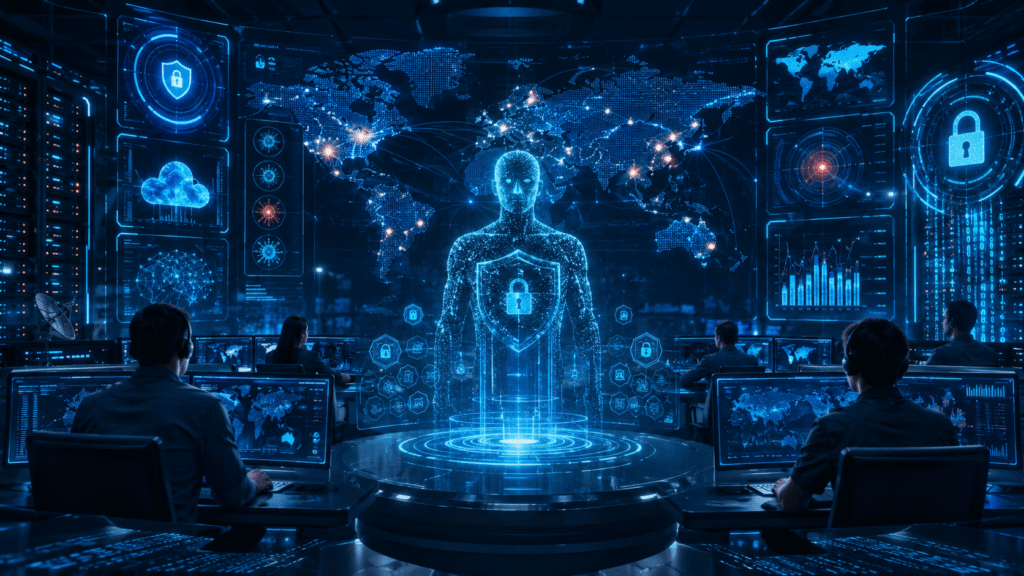
AI in Cybersecurity is rapidly changing how organizations defend themselves against digital threats. As cyberattacks become more sophisticated, traditional security systems often struggle to keep up. Artificial intelligence provides a smarter approach by detecting threats faster, automating responses, and helping security teams identify vulnerabilities before attackers can exploit them.
In 2026, businesses across the USA, Canada, Europe, and the UK are increasingly investing in AI-powered security solutions to protect sensitive data, maintain customer trust, and comply with evolving regulations. Understanding how AI is transforming cybersecurity is essential for organizations that want to stay resilient in a constantly changing digital environment.
Table of Contents
1. Introduction
2. Why AI in Cybersecurity Matters
3. Understanding AI-Powered Cybersecurity
4. Key Benefits of AI in Cybersecurity
5. Real-World Applications
6. Best Practices for Implementation
7. Common Mistakes to Avoid
8. Practical Cybersecurity Checklist
9. Call to Action
10. FAQ Section
11. Conclusion
Why AI in Cybersecurity Matters
Cybercrime continues to grow in scale and complexity. Attackers use advanced techniques such as ransomware, phishing campaigns, credential theft, and AI-generated social engineering attacks.
Organizations face several major challenges:
- Massive volumes of security data
- Limited cybersecurity professionals
- Increasing attack sophistication
- Growing compliance requirements
- Remote and hybrid work environments
Traditional security systems often rely heavily on manual analysis. However, AI can process enormous amounts of data within seconds and identify suspicious behavior that human analysts may overlook.
As businesses become more digitally connected, AI is becoming a critical component of modern cybersecurity strategies
Understanding AI in Cybersecurity
Artificial intelligence in cybersecurity refers to the use of machine learning, data analytics, and intelligent automation to detect, prevent, and respond to cyber threats.
Threat Detection
AI systems continuously monitor networks, devices, applications, and user behavior.
Instead of relying solely on predefined rules, AI can learn normal patterns and identify unusual activities that may indicate an attack.
For example:
- Unusual login attempts
- Unexpected file transfers
- Suspicious user behavior
- Abnormal network traffic
Automated Incident Response
When a threat is detected, AI can automatically trigger security responses such as:
- Blocking malicious IP addresses
- Isolating infected devices
- Alerting security teams
- Preventing unauthorized access
This significantly reduces response times and minimizes damage.
Predictive Security
One of AI’s most valuable capabilities is predicting potential threats before they occur.
By analyzing historical attack patterns and emerging threat intelligence, AI systems help organizations proactively strengthen defenses.
Key Benefits of AI in Cybersecurity
Faster Threat Detection
AI can identify suspicious activities in real time, helping organizations stop attacks before they escalate.
Benefits Include:
- Reduced detection times
- Improved visibility
- Enhanced security monitoring
Reduced Human Error
Human mistakes remain one of the leading causes of security breaches.
AI assists by:
- Automating repetitive tasks
- Monitoring continuously
- Providing intelligent recommendations
Improved Threat Intelligence
AI analyzes data from multiple sources simultaneously.
This allows organizations to:
- Identify attack trends
- Understand threat actors
- Improve risk assessments
Cost Efficiency
Although implementing AI solutions requires investment, long-term benefits include:
- Lower incident response costs
- Reduced downtime
- Improved operational efficiency
Scalability in AI in Cybersecurity
As organizations grow, AI systems can adapt without requiring large increases in staffing.
Real-World Applications of AI in Cybersecurity
Email Security
AI helps identify phishing attempts by analyzing:
- Email content
- Sender reputation
- User behavior patterns
Many modern email platforms now use AI-driven filtering systems.
Endpoint Protection in AI in Cybersecurity
Devices such as laptops, smartphones, and servers are common attack targets.
AI-powered endpoint security solutions monitor device activity and detect malware before it causes significant damage.
Fraud Detection
Financial institutions use AI to identify unusual transactions and prevent fraud.
For example:
- Credit card fraud detection
- Account takeover prevention
- Identity verification
Security Operations Centers (SOCs)
AI assists security analysts by prioritizing alerts and reducing alert fatigue.
This enables teams to focus on the most critical threats.
Best Practices for Implementing AI in Cybersecurity
Organizations should follow a strategic approach when adopting AI-powered security solutions.
Step 1: Assess Security Risks
Identify:
- Critical assets
- Sensitive data
- Potential vulnerabilities
Step 2: Choose Reliable AI in Cybersecurity Security Solutions
Evaluate vendors based on:
- Security capabilities
- Compliance standards
- Integration options
- Customer support
Step 3: Train Employees
Even advanced AI systems cannot fully eliminate human risks.
Employee awareness training should include:
- Phishing recognition
- Password security
- Safe browsing practices
Step 4: Monitor and Optimize
AI models should be reviewed regularly to maintain effectiveness and accuracy.
Step 5: Combine Human Expertise with AI
The most effective cybersecurity strategies combine:
- AI automation
- Human analysis
- Security governance
Common Mistakes to Avoid In AI in Cybersecurity
Organizations sometimes make mistakes that reduce the effectiveness of AI security systems.
Avoid These Common Errors:
❌ Relying entirely on AI without human oversight
❌ Ignoring employee cybersecurity training
❌ Using outdated threat intelligence
❌ Failing to update security systems
❌ Neglecting compliance requirements
❌ Implementing AI without clear objectives
A balanced security strategy delivers better long-term results
Practical Cybersecurity Checklist
Use this checklist to strengthen your cybersecurity posture in 2026:
✅ Enable multi-factor authentication
✅ Deploy AI-powered threat detection
✅ Conduct regular vulnerability assessments
✅ Train employees on cybersecurity awareness
✅ Maintain secure backups
✅ Monitor network activity continuously
✅ Implement access controls
✅ Update software regularly
✅ Create an incident response plan
✅ Review security policies periodically
Ready to Future-Proof Your Cybersecurity Strategy?
Cyber threats continue to evolve, making proactive security more important than ever.
Businesses that adopt AI-powered cybersecurity solutions can improve threat detection, reduce operational risks, and strengthen resilience against modern attacks.
Whether you are a business owner, IT manager, or technology leader, now is the ideal time to explore how artificial intelligence can support your cybersecurity goals.
Contact Future Science AI to learn more about emerging technologies, AI innovations, and the future of digital security.
Frequently Asked Questions
Q1: What is AI in Cybersecurity?
AI in Cybersecurity refers to using artificial intelligence technologies to detect, prevent, and respond to cyber threats more efficiently.
Q2: How does AI improve threat detection?
AI analyzes large amounts of data, identifies unusual patterns, and detects suspicious activities faster than traditional methods.
Q3: Can AI stop cyberattacks completely?
No. AI significantly improves protection, but organizations still need human oversight, employee training, and strong security policies.
Q4: Is AI in Cybersecurity suitable for small businesses?
Yes. Many affordable AI-powered security tools are available for small and medium-sized businesses.
Q5: What industries benefit most from AI cybersecurity?
Healthcare, finance, government, retail, manufacturing, and technology organizations benefit significantly from AI-powered security solutions.
Conclusion
AI in Cybersecurity is becoming one of the most important technologies protecting organizations in 2026. By improving threat detection, automating incident response, reducing human error, and providing predictive insights, AI helps businesses stay ahead of increasingly sophisticated cyber threats.
Organizations across the USA, Canada, Europe, and the UK are investing in AI-powered security systems to protect their data, customers, and operations. While AI is not a complete replacement for human expertise, it serves as a powerful force multiplier that strengthens overall cybersecurity resilience.
Businesses that embrace AI-driven cybersecurity today will be better prepared for the digital challenges of tomorrow.